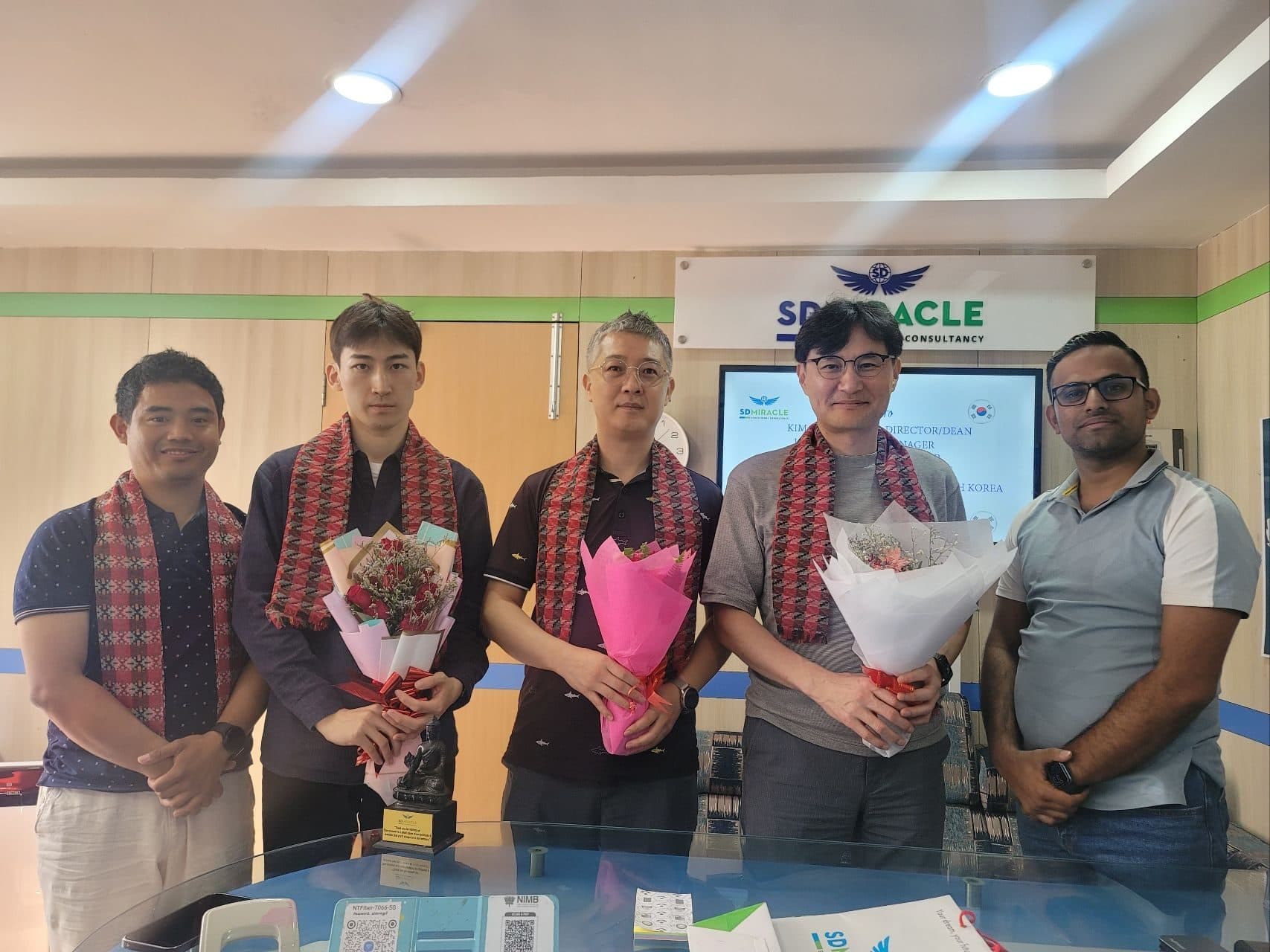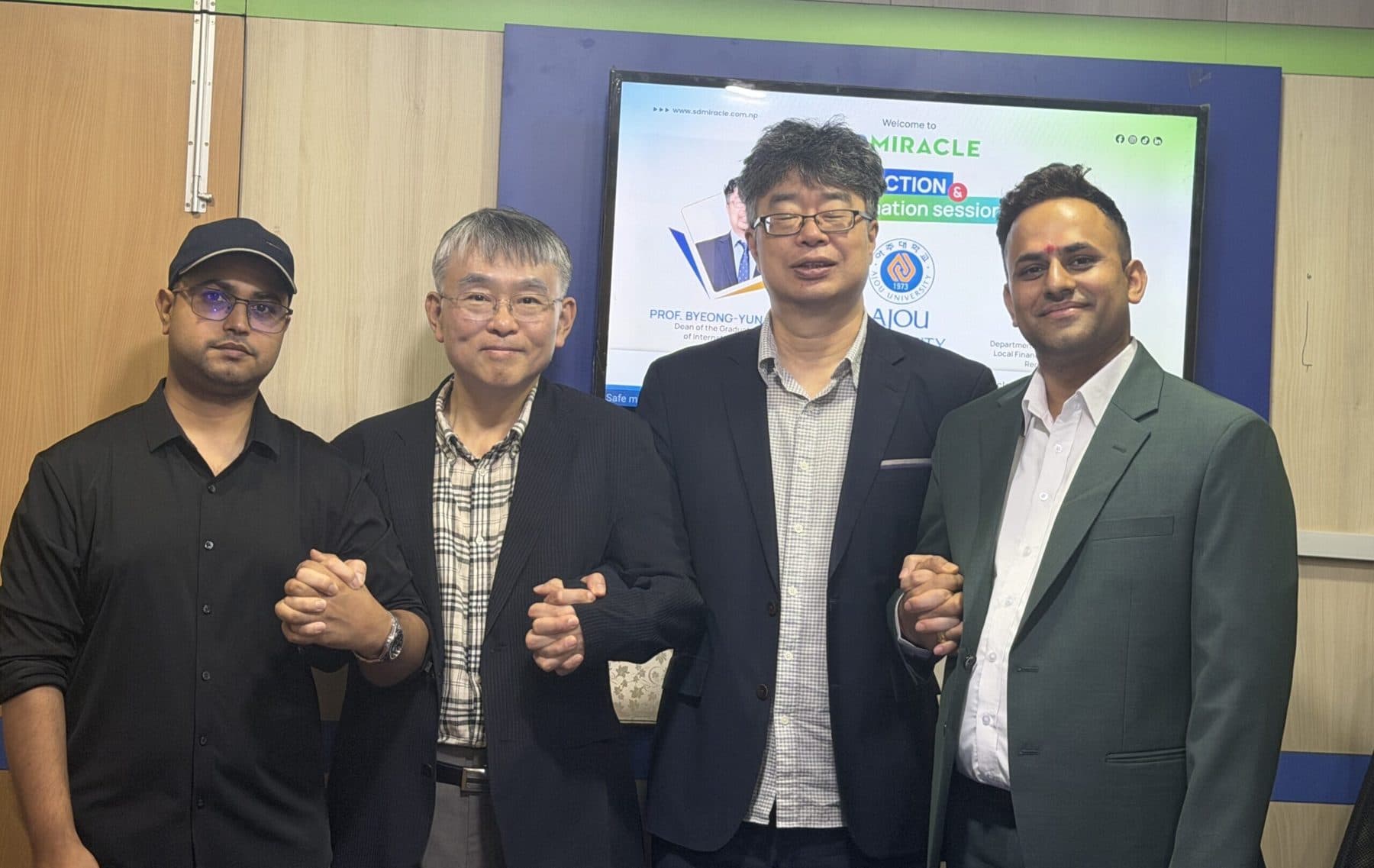
When we opened the doors of SD Miracle in 2015, the question we were asked most often was why Korea. Australia, Japan and the United States were the obvious destinations for Nepali students. Korea was a smaller, harder market, with a language barrier and fewer established pathways.
Ten years on, the answer is the same one we gave then. Korean universities were looking for capable international students. Nepali families were looking for quality education at a cost they could manage. And almost nobody was doing the work of connecting the two properly.
Depth over breadth
Most consultancies spread themselves across many countries. That makes sense for a business that earns a commission per application. It makes less sense if you want to be accountable for what happens after the student lands.
“We would rather know one corridor in detail than many in outline.”
Concentrating on Korea let us build relationships with admissions offices, understand the visa process in detail, and, eventually, register our own company in Seoul. Each step made the next one easier. That compounding is the core of our approach to every business we hold.
From one business to a group
Once you understand a corridor this well, adjacent opportunities become visible. The paperwork problem became ApplyUni. The need for reliable information for families became part of Khabar Sewa's beat. The systems we built for ourselves became SewaSoft.
None of these were planned as a portfolio. They grew from problems we faced. A holding company is simply the structure that lets them share capital, talent and standards while keeping their own leadership.
What comes next
Traffic between Nepal and Korea now goes far beyond students: workers, tourists, businesses and, increasingly, investment. We expect to follow it into adjacent sectors carefully and without hurry, as we always have.
Ganesh Sharma
Sharma Ganesh Holdings